Surburban Development Cycle — a case from Japan
For a couple of years we kept a very small apartment in Kyoto for monthly visits while we were taking care of my parents-in-law. The rent was cheaper than getting a hotel each time, and my parents stored stuff there which justified the expense. The apartment was on the very edge of southwest Kyoto in a neighbourhood called Rakusai Newtown, a housing project started in the 1970s for the families of men working in the factories of West Kyoto.
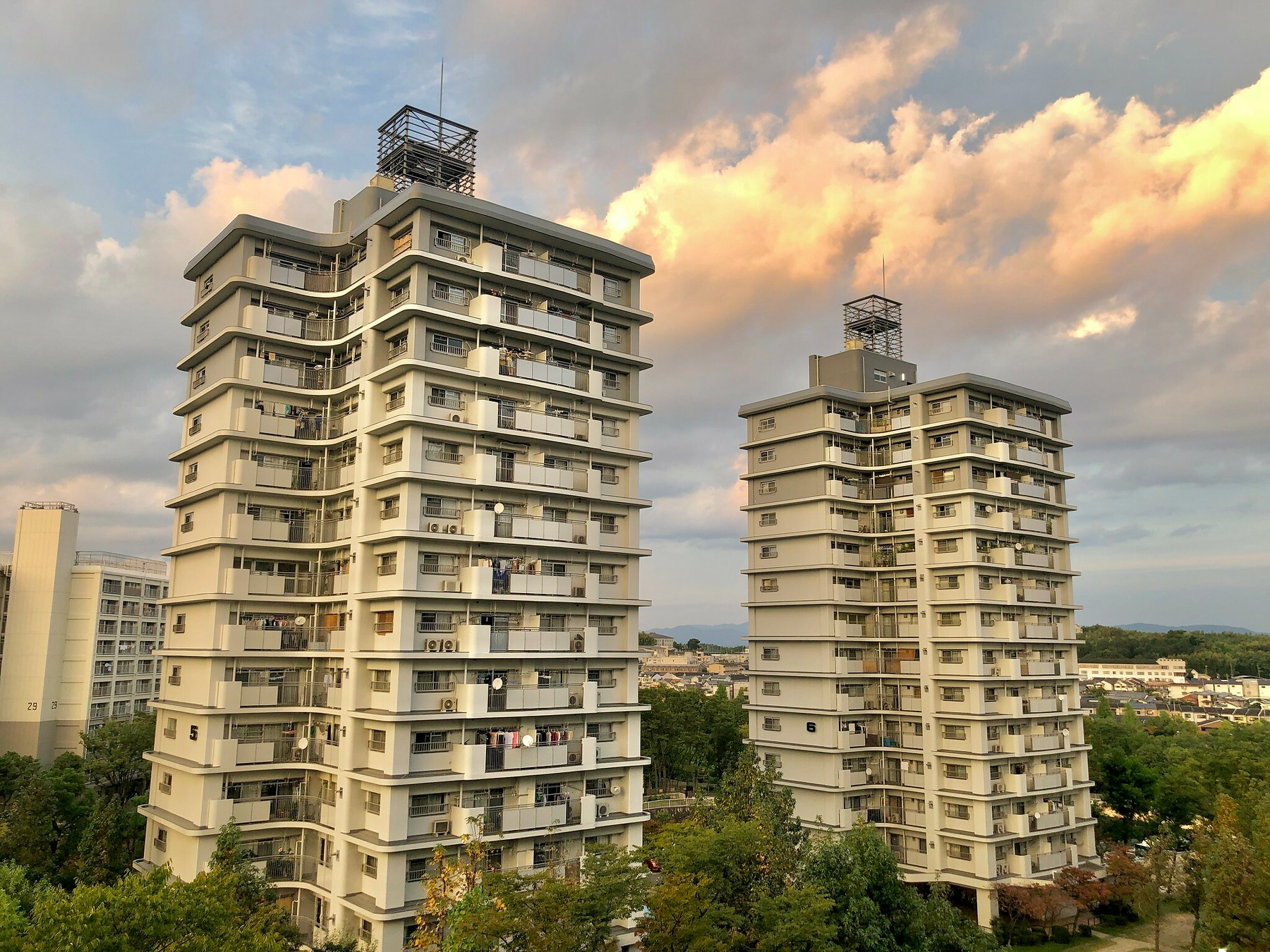
Rakusai sits at the foot of the mountains along the west of Kyoto where there are many temples and the farms of Ōharano. A river runs through the center of the community lined by cherry blossoms. It was an amazing place to stay during the pandemic, we had many walking routes! With over 70 apartment buildings, row housing, a hospital and many shops, Rakusai is a perfect little community, with everything you need within walking distance. However in the 1980s the planned subway extension that never materialized, making the community inconvenient to get to. The Rakusai population was declining even by the 1990s. While we lived there from 2020 to 2022 it was mostly retired folks that did not need to commute and could live comfortably on the cheap rent. There were so many old people in the apartment complexes that were not very mobile that about once a week 7-11 would send a little van to park at the foot of our building so people could “go to the convenience store.” A kind of konbini food truck. Pretty cool service!
In the core shopping area there are a couple of grocery stores, dollar store, bookshop, pharmacies, banks, and more. The anchor tenant was a Takashimaya, the big European-style Japanese department store founded in 1831. When we first looked at Rakusai as a place to rent we were surprised to see this! It meant we didn’t have to go all the way to downtown Kyoto. It was always pretty dead, but we were happy to have it nearby, even if we didn’t buy that much from there.
I just found out today that the Rakusai Takashimaya finally closed down this summer. So why am I going on about an old department store shutting down in a remote neighbourhood of Kyoto? Heck, there are lots of department stores that anchored malls all over North America that have been shutting down (Hudson’s Bay Company liquidated just this year!) — it’s to be expected I suppose. But the reason this particular case shook me has to do what they are planning on replacing the empty department store with: housing for seniors! Wow, this will be very convenient as it is already connected to the mall, and they can use the opportunity to update the facilities since the apartments are all pretty old and not super convenient.
Upon hearing about this I was struck by the idea of re-developing a neighbourhood originally made for people at the beginning of their family life, to support people at the end of their life. It makes sense I suppose, and maybe this is commonly done 🤷♂️, but it got me thinking about the lifecycle of infrastructure in times of growth and contraction… a more holistic perspective.
And it also excited me… maybe we can go back to Rakusai someday when we get old… someday. 😅
Here is an album with some photos from our time around Rakusai:
