AAS conference report
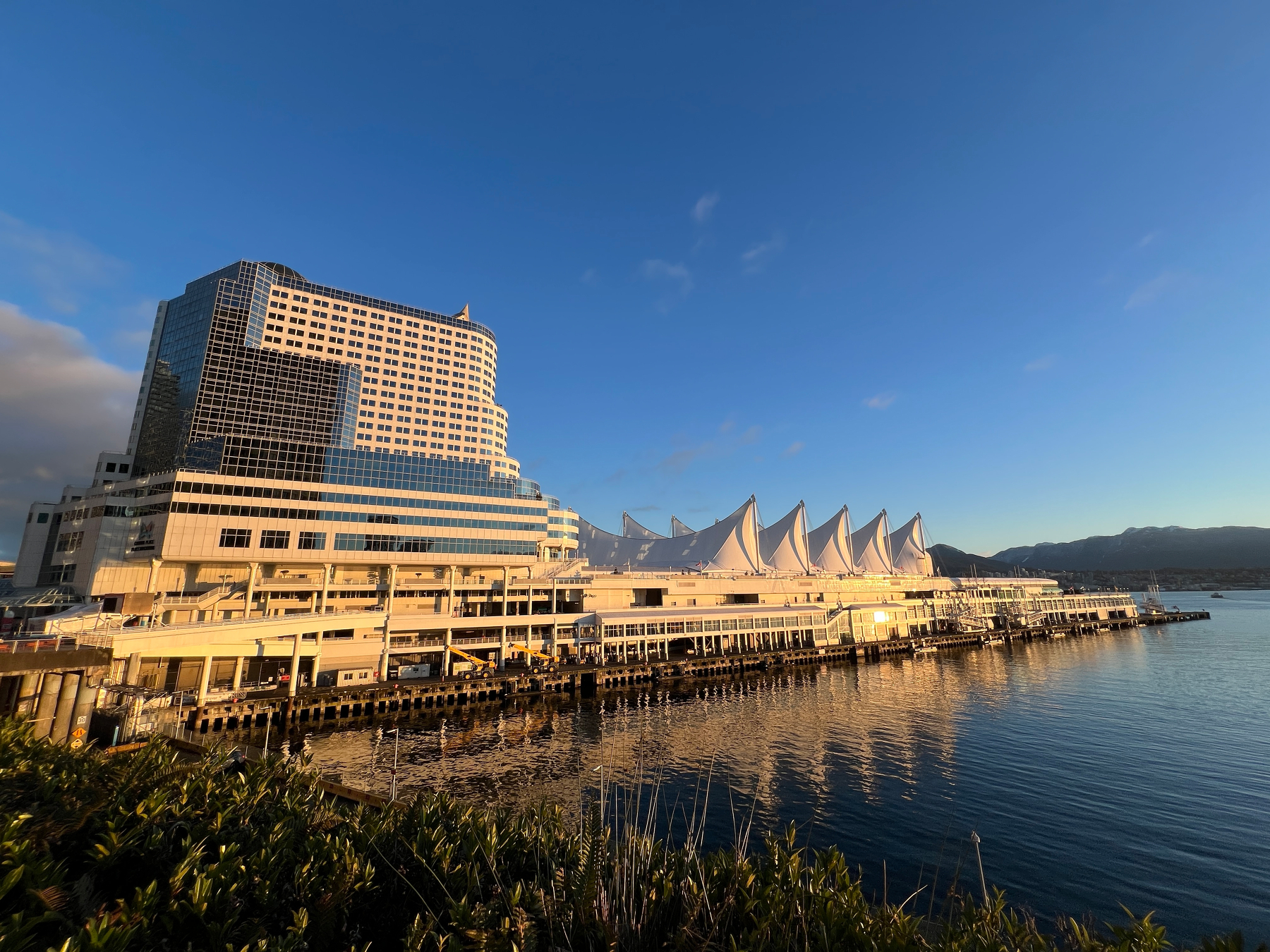
It has been almost 20 years since I attended an academic conference. Last week I joined nearly 4000 people at the Vancouver Convention Center for the Association of Asian Studies Conference. It was exciting to be surrounded by people at the edge of their field. In some sense it felt like a homecoming… like visiting a neighbourhood you used to live in many years ago. I did Asian Studies as an undergrad from 1998-2002 and focused on Japan-China relations for my Master’s degree from 2005-08. My most recent boom in studying Asian history and international relations in an academic sense was while living on Iki Island, working on my own travel history of Kyushu.Homecomings can be joyful, but they can also lead to pathos. Despite the excitement I felt a wave of sadness at the #AAS2026 conference. It was a surprising outcome which I have spent the last couple days trying to disentangle. This post is a bit of open therapy as I work through this, so excuse the maudlin sentiment. I promise there is some generalizeable insight, and at the end have included a short roundup of my conference experience at the very end.
First, as hinted above, I think I was feeling anemoia, a neologism that means “nostalgia for a time or place one has never known.” I have been like the proverbial message bottle, cast about upon waves of Asian Studies without ever making it to the shores of academia. What could have been? Where would I be now if I had’ve stuck to that road?But one does not need to go to uni to study and write about Asian history and politics. But I have even failed at being a popular historian. Surrounded by recognized experts talking about their latest publication, I had an overwhelming sense of guilt over my stalled book project, which still sits at just 30,000 works where I left it last in 2023.Those two feelings of anemoia and guilt are deeply personal, and best not to dwell upon. Another strand of disappointment, one that you may identify with, slowly came over me during the conference, but let’s take a moment to revel in the positive. I was very happy to meet some of my academic heroes in person. Each session was 90 mins, usually 3 or 4 presentations with some Q&A time. I attended 10 sessions (out of 1240!), totaling 15 hours of lectures compressed into just 2.75 days. Intellectually over-simulated I was absolutely wiped by the end of each day. Quietly browsing books in the exhibitor’s hall was a relief… but also stimulating since I don’t usually get to wander through so many displays of those kinds of books in one place!In other positives there was some satisfaction that I could listen to some of these very specialized talks and be able to follow along and even ask questions that were informed and somewhat challenging. Considering I was basically cosplaying an academic, secretly there as a fanboy of people I used to follow on the old Academic Japan Twitter, I was happy I could get something out of nearly all the talks, and wasn’t completely at sea. Still got it! 💪 (well, a little anyways).
Another cute positive was getting recognized a few times. That was surprising and delightful! I went up to a couple of folks and introduced myself and they immediately knew who I was, and a couple of times people came up to me to introduce themselves! All of this is because of social media. Back on Iki I was posting a lot photos and facts about the history of remote islands and Western Japan. While actively researching for my book I was just a tweet away from asking a professional for advice, not having to make the trek to a conference like AAS. And in those early days of the pandemic, and the skyrocketing of apps like Clubhouse, I spent a lot of time in chatrooms with academics having excellent indepth conversations… without paying high university tuition. It was a great era.
Then everything changed with the destruction of Twitter and the general turning against social media. Chatting with the mutuals at the conference there was a shared lamentation at the current state of social media. Many said they don’t post anymore. In the intervening years many of them had moved institutions… and I had no idea since we had lost touch! Usually when I part with a friend I used the greeting, “See you online! 👋” It is an expression of continued connection. But with these folks at AAS, I felt like this is the last time I would see them. In this sense it was a bittersweet conference experience. My last few years have had me focusing less on Asian Studies and more on web protocols. I was looking forward to connecting with some of my old online mates, and ended up feeling a profound sense of disconnection. The shadow of ATmosphere Conference at the end of the month hung over me all throughout AAS. We have to do better.

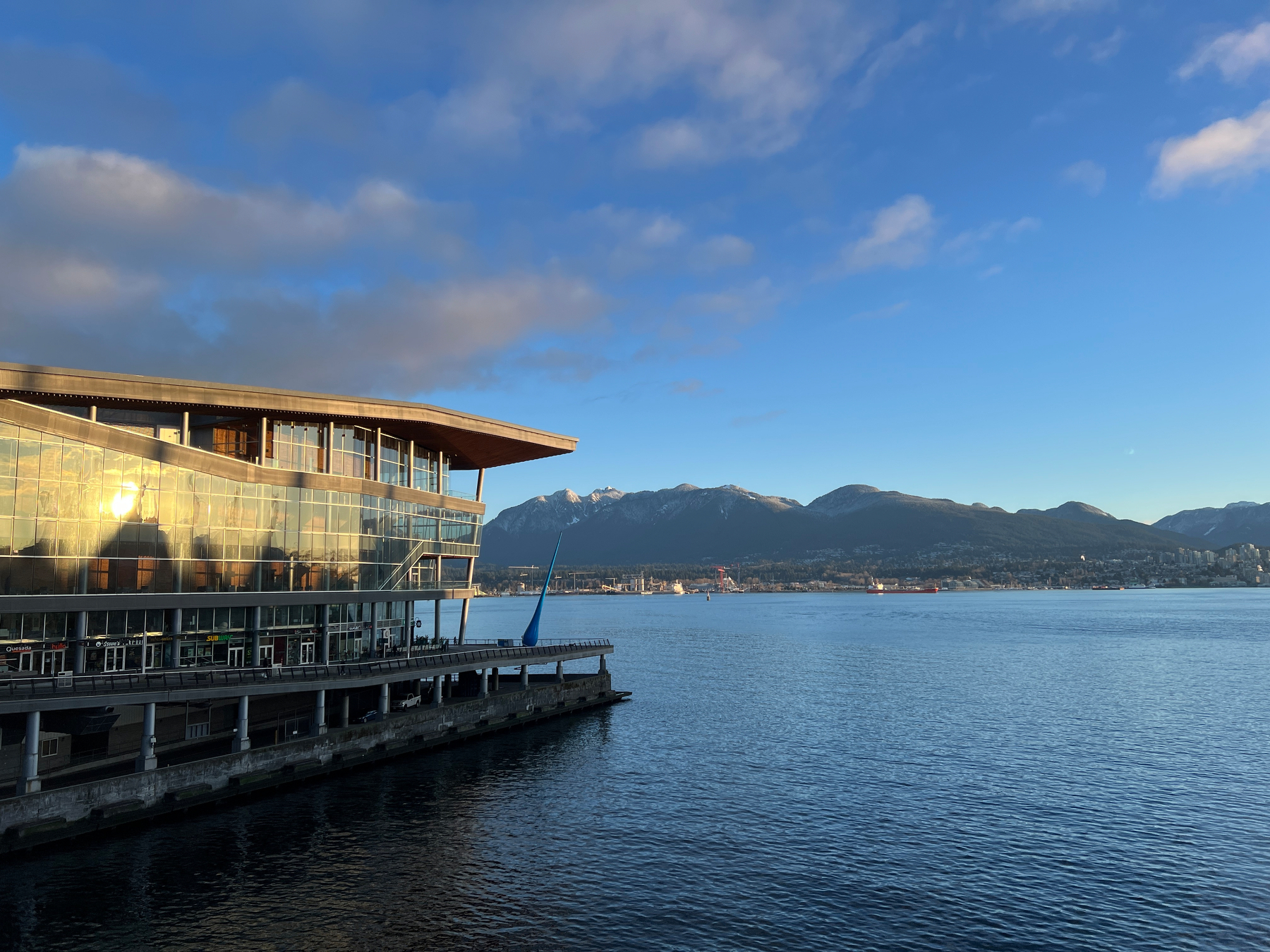
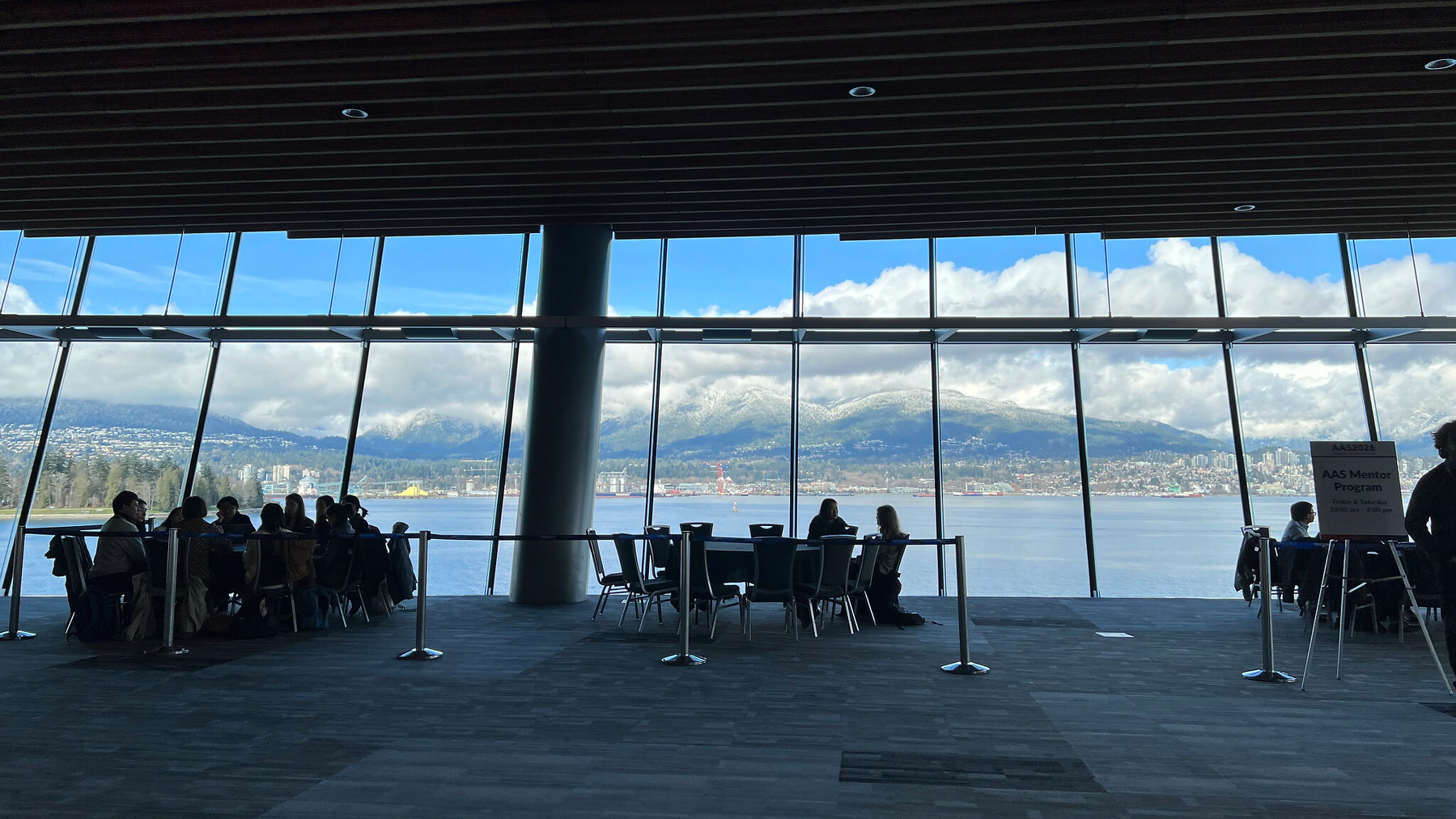
📸 A few more photos from the venue →
Session Highlights
Okay, this whole blog post was a bit of a talk therapy session, so here are some highlights from the various sessions I attended (out of 1240!) to give you an idea of what being at an AAS is like:
- Cultures of Crossing: Networks and Navigation Connecting Medieval and Early Modern Japan to East Asia Pirates pirates pirates! Having sailed many of those waters and studied the region, I got a lot from this session.
- Power, Piety, and Patronage: Political and Royal Actors in Buddhist Diplomacy Chaired by Jack Meng-Tat Chia who I have interacted online through email in the past. This panel had a lot that I could connect to, and I met three new-to-me academics to keep in touch with in the future.
- Japan as Liminal Power A panel about Kei Koga and Kaori Katada’s new book: Japan’s Grand Strategy: Liminal Power in an Uncertain World. I have followed these two for a while, and often recommended Dr Katada’s previous book Japan’s New Regional Reality: Geoeconomic Strategy in the Asia-Pacific (my review).
- Critical Approaches to Political and Cultural Mythmaking in Japanese Studies This was my chance to meet longtime mutual Morgan Pitelka! Unfortunately he had to cancel last minute but I enjoyed his recorded talk, and another talk on Katō Kiyomasa as a god of prostitution!
- 1980s Buddhism: Mobility and Materiality in South/Southeast Asia and Diasporas was a random session I attended and wow it was really interesting! Neoliberal tendencies seeping Thai temple administration in the Eighties was a surprising turn.
- Paper Publics: Mediums and Social Transitions in Popular Prints of Early Modern Japan I got to shake hands with Jingyi Li who let out a squeal when she recognized me. She is just as great in person as when we used to chat on Clubhouse.
- The Longue Durée of Social Movements in Japan: Legacies, Memories, Continuities I went to hear more about Japan Red Army leader Shigenobu Fusako in a fascinating talk. Then heard about the Japanese women’s movement in the 90s (my wife laughed to hear how she has been turned into “history” 😄), and finally an inspiring talk on AIDs activist Patrick Bonmarito.
- Enlivening Buddhist Heritage Parts 1 and 2 Lovely to hear my moot from Harvard Paula Kolata talk about akiya. I also learned about the Kamakura Daibutsu copy in northern Thailand. These two sessions were full of connections for me.
- Japan Beyond the Sinosphere, c. 250–1250 A chance to learn about the inner Asian origins of the Yamato Sky Cult, and ask about torii ⛩️ in pre-Japan Japan. Ran into social media moot Michael Röllinghoff outside!