Elaborating Westminster Abbey
The churches of western Canada I have experienced are angular, one floor buildings constructed out of cedar or some such wood in the 1960s or 70s, usually with an era-appropriate abstract stained glass window often depicting a dove or flowers. Pretty basic, frontier stuff. Travelling to Germany I saw a lot of old impressive churches, but the insides were sparse, utilitarian affairs. Still, a level up for me. Although the fantastic Hagia Sophia in Istanbul started as church, its status as a working mosque puts it out of the running. Last summer our family trip to the Notre Dame Basilica in Montréal brought my elaborate church experience up a whole level for sure. But in February this year, during my first trip to London, I found myself trapped in awe of St. Paul’s Cathedral. The dome, the Whispering Gallery, the statues, and mostly the crypt were just dumbfounding. I never saw so many people buried inside a church! That was a culture shock.
Last month, on my second trip to London, I made sure to visit Westminster Abbey, the famous-est church across from Westminster Palace and west of Parliament Square. The abbey was rebuilt between 1042 and 1052 by Edward the Confessor as his burial church, and since the Norman Conquest has been the site of coronations and many royal weddings (and funerals). Also, there are over 3300 people buried or commemorated there!
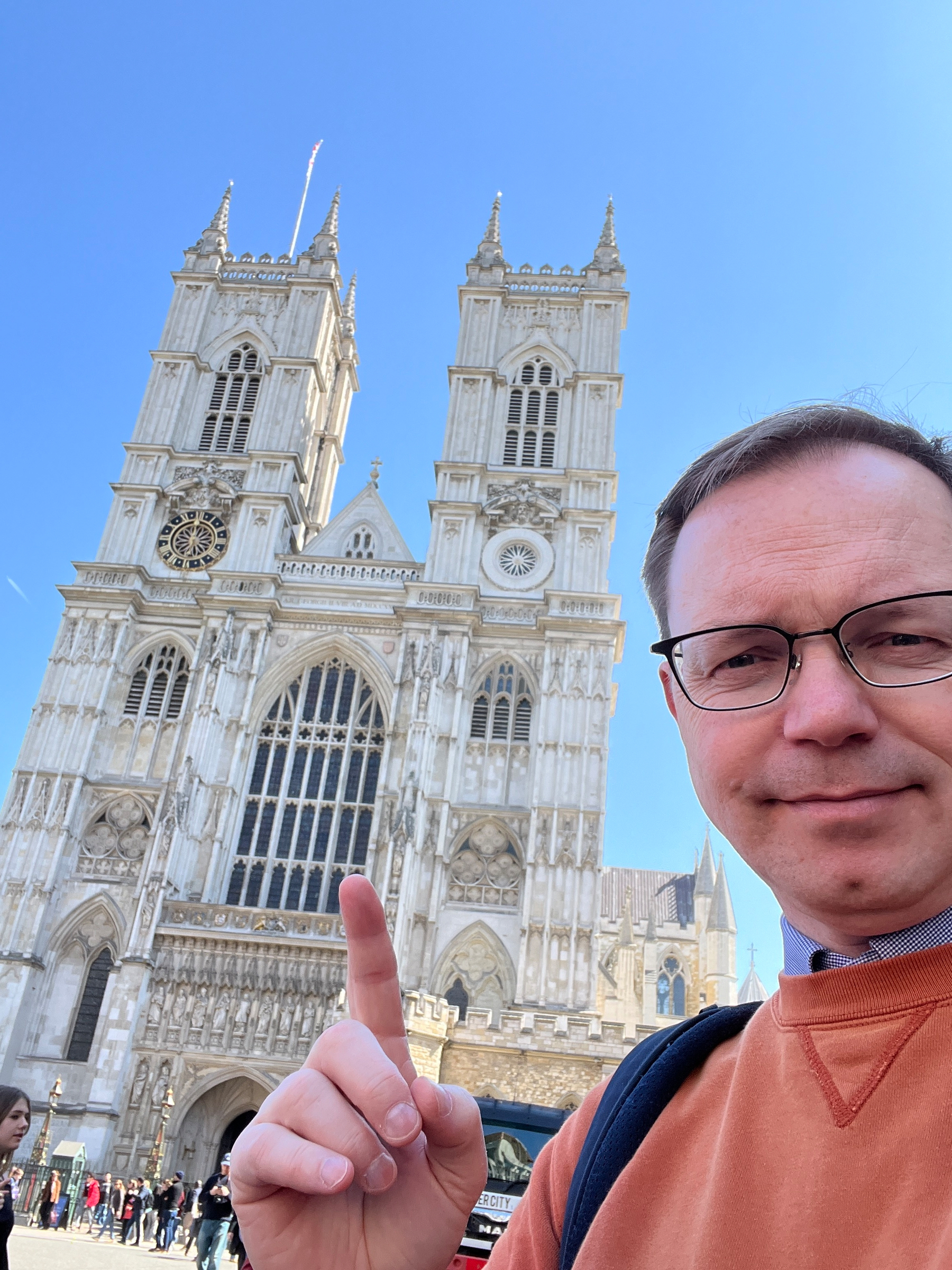
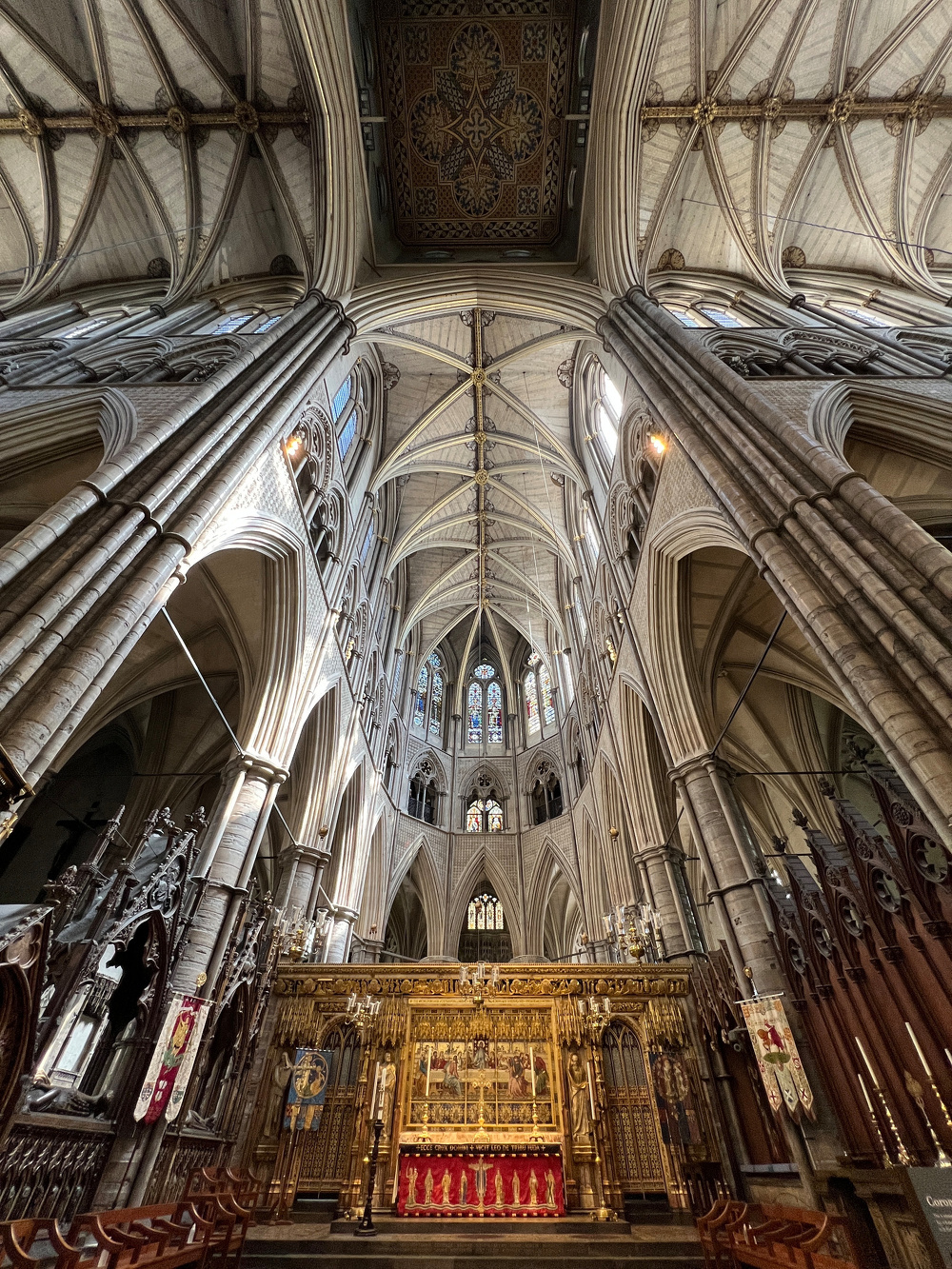
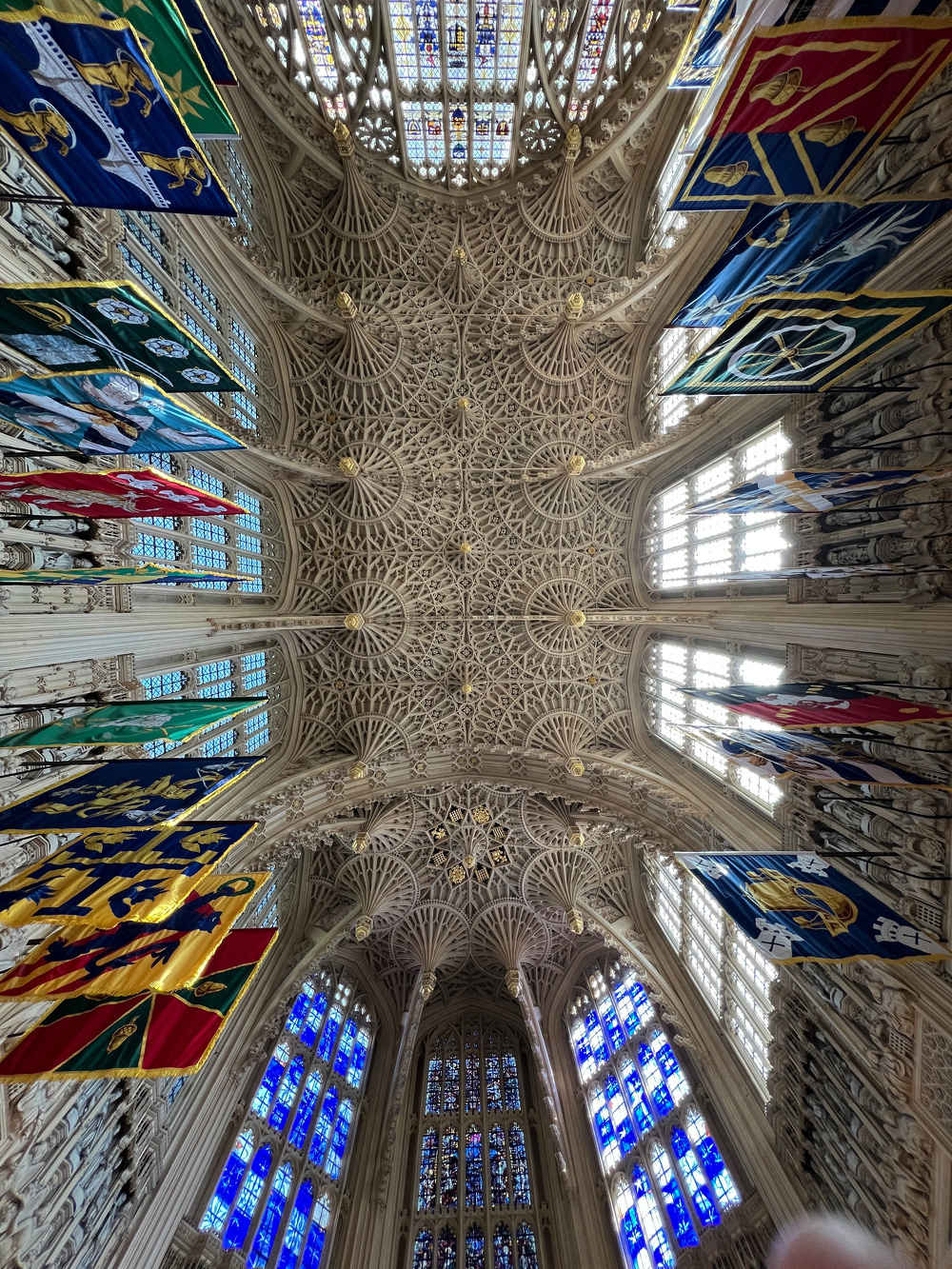
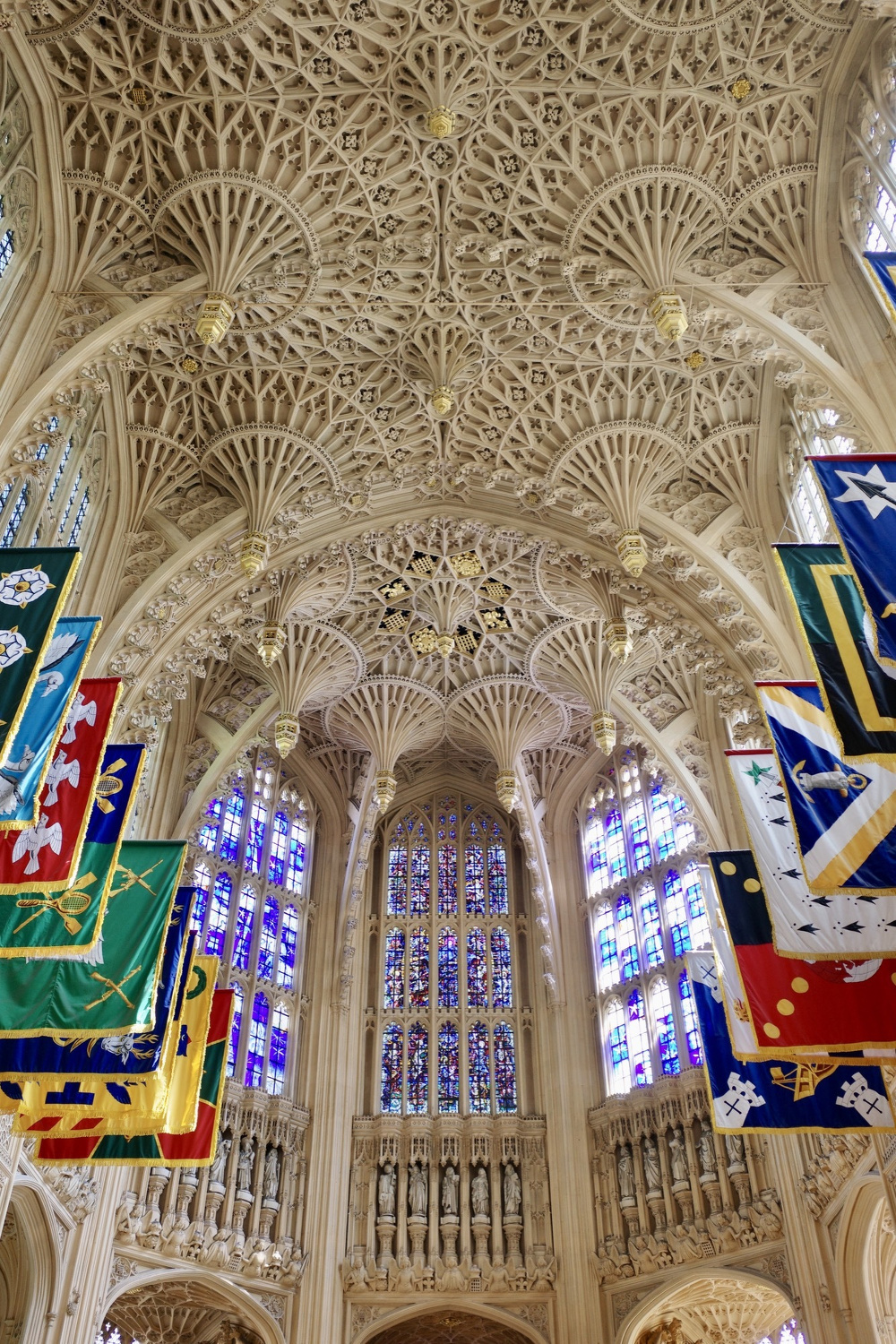
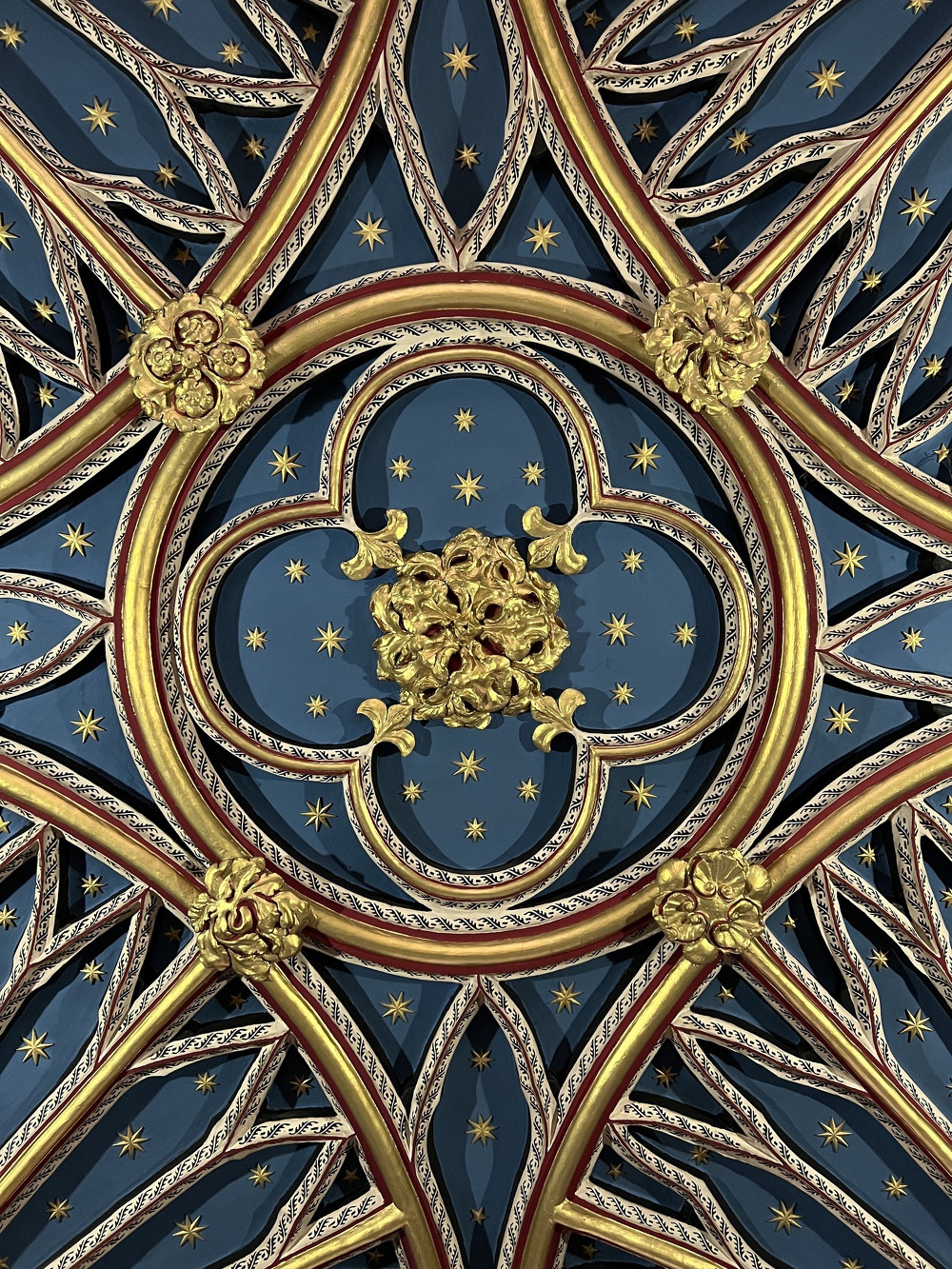
Over a thousand years Westminster Abbey has been renovated, modified, and extended. The vaulted gothic ceiling of the nave and the unique ceiling of the Lady chapel are truly otherworldly. (It felt as if I was inside some sort of alien spider race’s spaceship, which admittedly was probably not the intention of the 16th C architect. But with all these bodies everywhere, it is like this is some interstellar ark ship. Someone has to have written a short story about that…). Anyways, regardless of the sci-fi aside, you can really feel the history in the abbey.
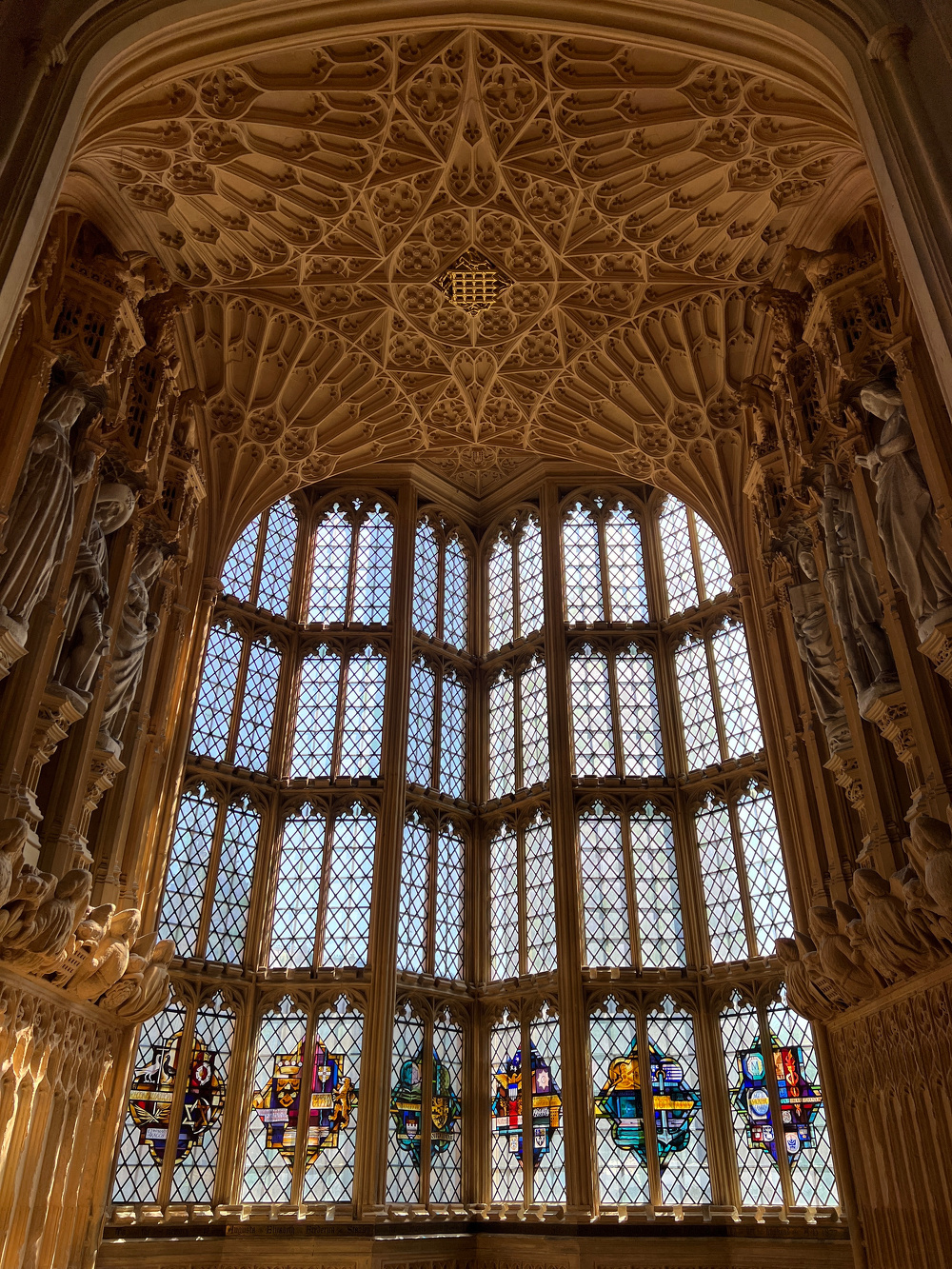
Everywhere, and I mean everywhere, are tombs and monuments to various great people from the history of England and abroad. I snapped photos of everyone I recognized including:
- Isaac Newton
- Michael Faraday
- Stephen Hawking
- Alfred Russel Wallace
- Neville Chamberlain
- David Lloyd George
- Nelson Mandela
- William Tynedale
- Samuel Johnson
- Lord Byron
- The Brontë Sisters
- Chaucer
- Winston Churchill
- FDR
- Elizabeth the First
- Mary, Queen of Scots
- Edward the Confessor himself
- and many more!
Despite all this statuary the Abbey remains a working church, with services multiple times a day.
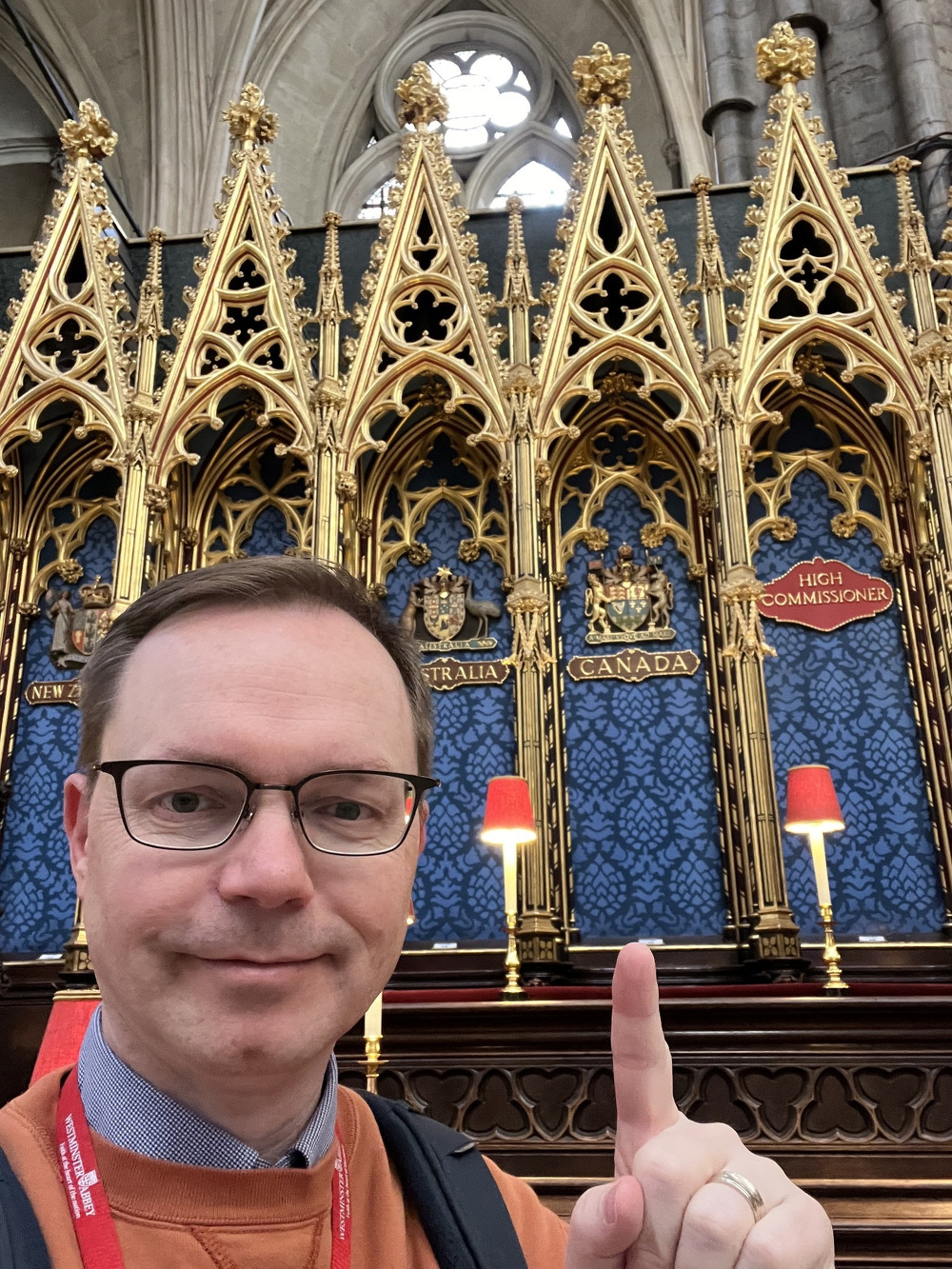
There are so many features of the Abbey, you could spend a lifetime going through it all: the 700 year old Cosmati floor where the Coronation Chair is placed; the elaborate choir seats where I spotted the designated seats for Canada, Australia, New Zealand, and South Africa. The audio tour they give you is pretty short, but halfway through my visit I had to just sit down and take a rest. It was overwhelming! I took a LOT of photos, but here are a few representative ones on Flickr →

There is actually an upstairs which you normally can’t access, but since 2018 part of this has been opened as the Queen’s Diamond Jubilee Galleries. The view of the church floor below from this height is astonishing. Unfortunately they do not allow photography from the upstairs. In the Galleries are a number of paintings, effigies, clothing, and construction plans for the Abbey.
To date this is the most elaborate church interior I have ever seen. But as usual, my effusive bubble was popped by my wife: “You obviously have never been to Rome.” 😵